REVIEW · MUTIANYU
Highlights from Guilin to Yangshuo Full Day Private Tour
Book on GetYourGuide →Operated by TopChinaTravel · Bookable on GetYourGuide
Guilin feels unreal in one long day. This full-day private plan strings together Reed Flute Cave wonders, big views from Xianggong Hill, a peaceful Li River raft, and historic Fuli Ancient Town—so you get a lot of signature Guilin-and-Yangshuo moments without juggling buses. I especially like the mix of easy indoor sightseeing (the caves) and outdoors time (hill + river), plus the chance to float the Li River with fewer boats and less crowd pressure. One thing to consider: you’ll do some walking and climbing at Xianggong Hill, so wear grippy shoes and don’t treat it as a “sit and ride” tour.
What makes it work is the pace. You’ll be picked up in Guilin around 8:15am by an English-speaking driver cum guide who gives brief orientation and then keeps things moving, mostly self-guided once you’re inside the attractions. At $108 per person for a private transfer and the bamboo rafting, it’s a strong value day—just remember entrance fees, lunch, and extras like the show are on you.
In This Review
- Key things I’d plan around
- Guilin to Yangshuo in one day: why this route feels efficient
- Route 1 vs Route 2: pick your mood, not just your photos
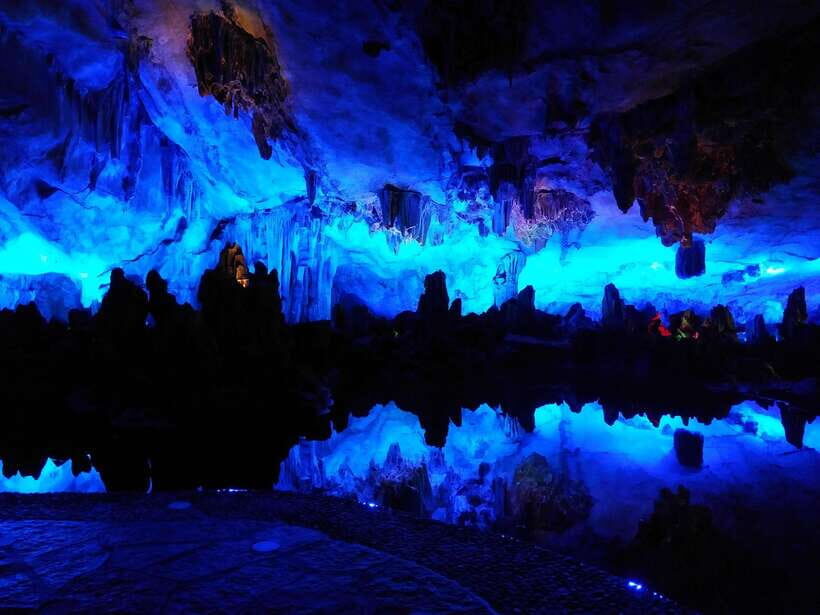
- Inside Reed Flute Cave: the easy win that sets the tone
- Xianggong Hill viewpoints: the climb is the whole point
- Lunch in Yangshuo: expect a break before the older town
- Fuli Ancient Town and traditional paper making (a fun cultural pause)
- Bamboo rafting on the Li River from Fuli: quiet is the luxury
- Mirror-like rice fields and Zhuangyuan Bridge: your photo stop with purpose
- Optional Impression Shanjie Liu show: worth considering after dinner
- Getting around and timing: private comfort, self-guided pace
- Price and value: what $108 covers (and what you’ll pay extra)
- Who should book this day tour (and who should skip it)
- Final call: should you book this Guilin to Yangshuo private day?
- FAQ
- What’s included in the Guilin to Yangshuo private tour price?
- What’s not included?
- How long is the tour?
- When is pickup in Guilin?
- How long is the bamboo rafting?
- Is this tour suitable for wheelchair users or pregnant women?
Key things I’d plan around
- Two route styles (cave-first or countryside-first) so you can match your photos and interests
- Xianggong Hill bird’s-eye view that’s the closest thing to a “mountains from above” moment in this itinerary
- Li River bamboo raft from Fuli with less boat traffic when conditions cooperate
- Fuli Ancient Town in Ming–Qing style plus a chance to see traditional paper making
- Mirror-like rice fields and Zhuangyuan Bridge for morning light and classic Guilin countryside photos
Guilin to Yangshuo in one day: why this route feels efficient
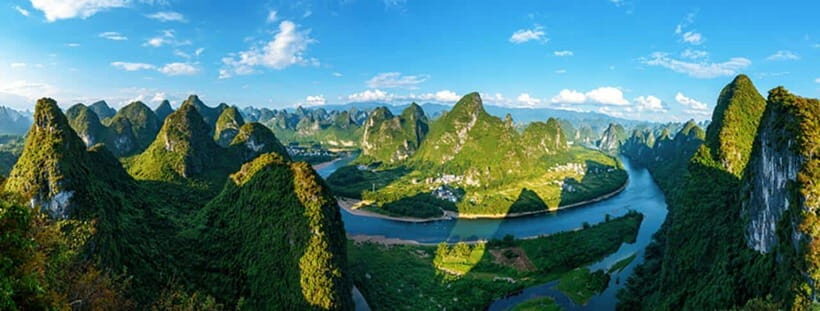
This day is built like a highlight reel, but it doesn’t feel rushed in the way some “see everything” tours do. You start in Guilin, then move through a compact set of sights that explain why people come to this region in the first place: limestone formations, river reflections, and villages that still look like old China rather than a full theme park.
Route 1 leans classic Guilin: Reed Flute Cave, then Xianggong Hill for the mountain panorama, then Yangshuo for lunch, Fuli Ancient Town, and a 1-hour bamboo raft on the Li River from the Fuli pier. Route 2 swaps the cave for an earlier countryside focus: Champion Bridge and Mirror-like Rice Fields (about 2 hours), then the rest of the day follows the same core plan.
I like the structure because it gives you both “wow” and “calm.” Caves deliver the wow indoors. The hill and rice fields give you big visual payoffs outdoors. The river raft gives you calm—especially on a sunny day, when the water can turn mirror-smooth.
Route 1 vs Route 2: pick your mood, not just your photos
Route 1: Reed Flute Cave + Xianggong Hill + Fuli + Li River rafting
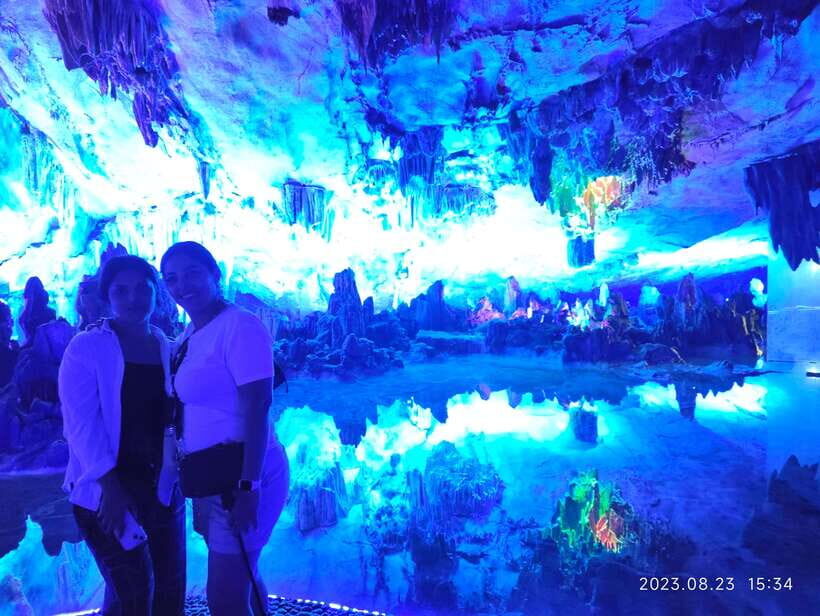
If you want a first taste of Guilin that’s crowd-smart and weather-friendly, Route 1 makes sense. Reed Flute Cave is all about atmosphere: the limestone formations and staged lighting typically make it feel like you’re walking through a living rock sculpture. Then Xianggong Hill adds the opposite kind of payoff—less about caves, more about scale. Climbing to the top is the price, but the bird’s-eye view over the Li River and the countless peaks along the river is the reason the stop exists.
Route 2: Champion Bridge + Mirror-like rice fields (about 2 hours) + the rest of the day
Route 2 is better if you’re a countryside-photo person and want more time with farmland textures and reflections. The Champion Bridge sits in Tianxin Village, surrounded by mountains and water, and it’s tucked inside rice fields. It’s become known for photography at sunrise and in the morning glow—so the “timing window” you get on a morning start can matter.
Then you hit Mirror-like Rice Fields, with water-covered paddies that reflect sky, mountains, and trees. There are crisscross paths and village farmhouses that make the whole place feel like a large open park. You’re still going to do Xianggong Hill, Fuli, and the river later, but you’ll begin the day with the kind of scenery that rewards slow walking and a little patience for the light.
Inside Reed Flute Cave: the easy win that sets the tone
Reed Flute Cave is the kind of stop that makes you understand why Guilin got famous in the first place. You’re not just seeing a “cave.” You’re moving through a curated limestone space where shapes and lighting help you read the formations as something more than rock.
For this tour, you’ll start with the cave on Route 1 and then transition by car toward Xianggong Hill. The practical benefit here is that it’s indoor sightseeing early, which often makes the day feel less exhausting. If the weather is hot or rainy, the cave still gives you something solid and memorable.
One small drawback: entrance fees are not included, so you should budget separately for tickets at Reed Flute Cave. Also, because the tour is mostly self-guided inside the attractions, you’ll want to pay attention when your English-speaking guide explains the walking route. That orientation can save you a lot of backtracking.
Xianggong Hill viewpoints: the climb is the whole point
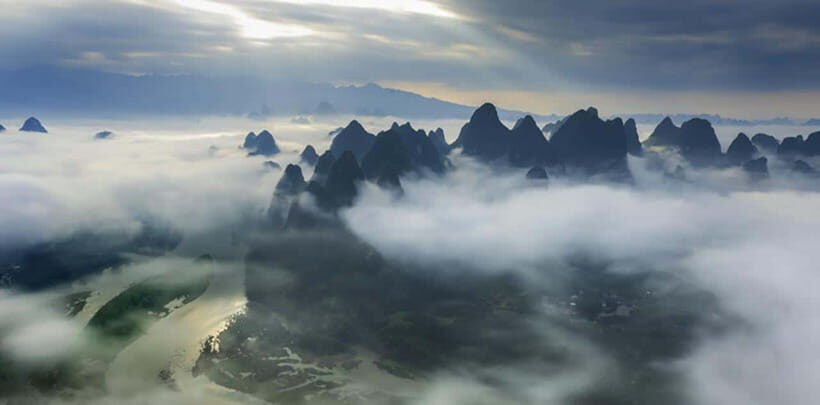
Xianggong Hill is a short-word stop: go up, look out. The tour expects you to climb to the top for the bird’s-eye view—Li River stretching through limestone peaks and hills in layers.
Here’s how to think about it: the hill stop isn’t really about “spending time.” It’s about getting to the right vantage point and letting the scenery reset your brain. On a clear day, the view becomes a layered map of the Li River area. On a hazier day, you still get the sense of depth, but it may feel softer.
What I’d watch for is your comfort with steps and uneven ground. The tour isn’t advertised as suitable for wheelchair users, and the hill climb is a good reason why. Even if you’re fine walking, bring your “slow and steady” mindset—this is one of those moments where you’ll enjoy it more if you don’t rush for the first view.
Entrance fees for Xianggong Hill are also not included in the tour price, so plan a separate budget.
Lunch in Yangshuo: expect a break before the older town
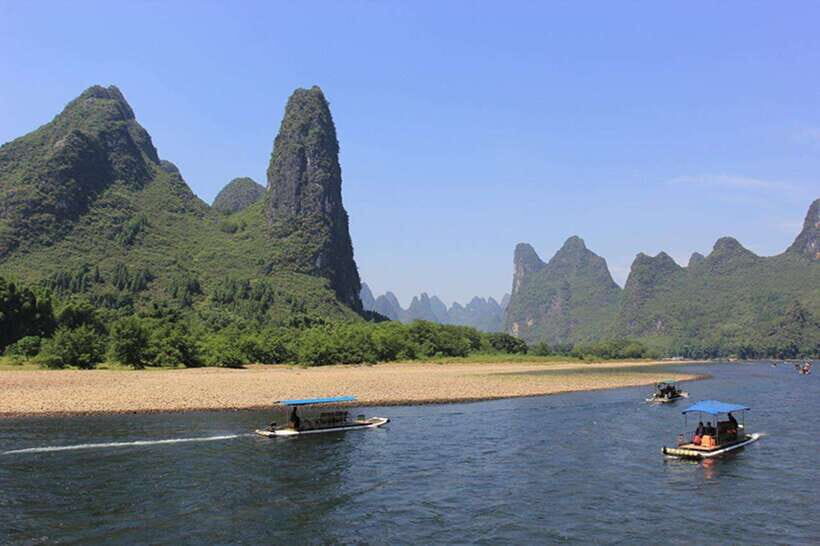
After Xianggong Hill, the tour drives into Yangshuo for lunch. Meals aren’t included, so you’ll pay separately. I like that this tour builds in lunch time before the older town and river parts, because by the time you reach Fuli and the rafting, you’ll be ready for a lighter pace and calmer views.
If you’re the type who gets hangry, you’ll want to use the lunch break strategically. Look for something local and simple, then save your energy for the river and the town stroll.
Fuli Ancient Town and traditional paper making (a fun cultural pause)
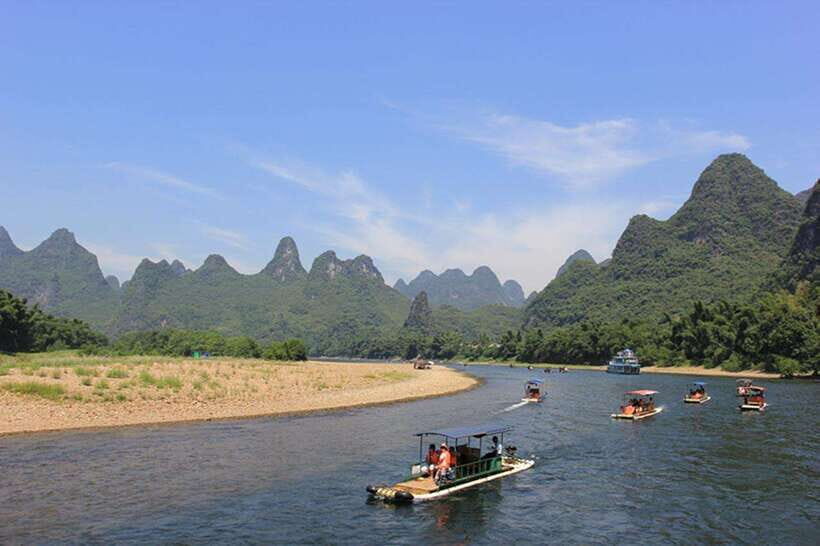
In Fuli Ancient Town, you’re stepping into Ming and Qing dynasties housing-style architecture. The point here isn’t just photos of old buildings—it’s the feel of a preserved village layout where the streets and structures still tell you how daily life might have looked centuries ago.
One of the tour’s unique touches is the chance to see how traditional Chinese paper is made, and the activity is described as a paper making experience (often framed as a traditional paper craft type moment). Even if you’re not a hands-on craft person, it’s a good break from scenic walking because it changes the rhythm of the day.
Practical tip: because the tour is private and the guide provides route guidance, you can move through Fuli at a pace that fits your group. If you want more time for small details, ask and adjust. If you want to keep it quick, you can.
Again, entrance fees for the specific sites in this part of the day aren’t included, so budget for tickets as needed.
Bamboo rafting on the Li River from Fuli: quiet is the luxury
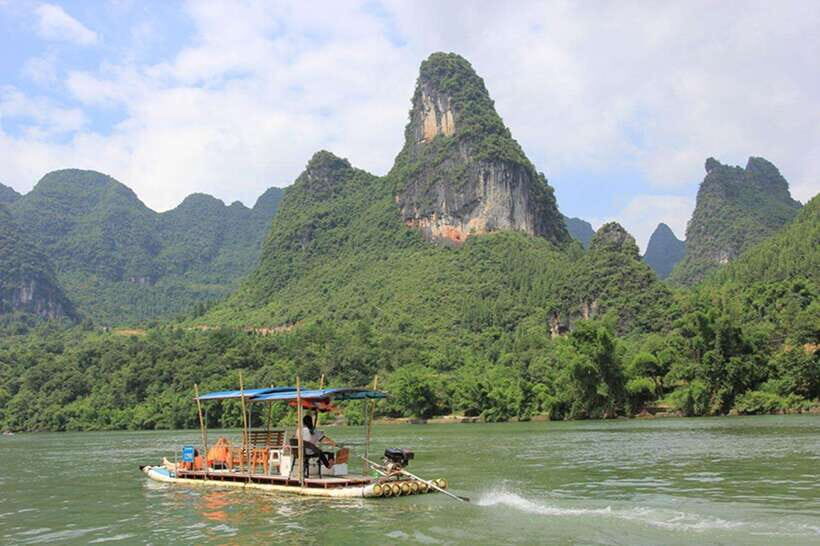
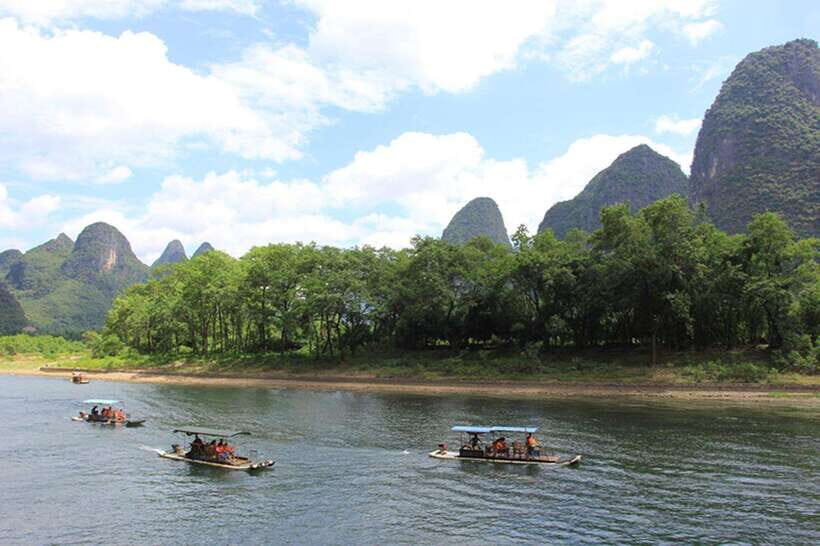
This is the part most people remember, because it’s slow. The tour includes bamboo rafting from the Fuli pier for 1 hour, going up and down along the Li River.
The key promise is fewer boats and fewer tourists compared to the busiest rafting stretches. That matters because the Li River experience is all about the calm. When boat traffic stays lighter, you get more space to watch the hills slide by and—on sunny days—enjoy the mirror-like reflections on the water.
You should go in with realistic expectations. “Mirror” depends on weather and water conditions. But even when the reflections aren’t perfect, the river still delivers those limestone-and-river visuals that make Guilin feel like a postcard you can actually sit inside.
What I’d do during the raft: put your phone away for chunks of time. The scenery works better when you’re not constantly framing it.
Mirror-like rice fields and Zhuangyuan Bridge: your photo stop with purpose
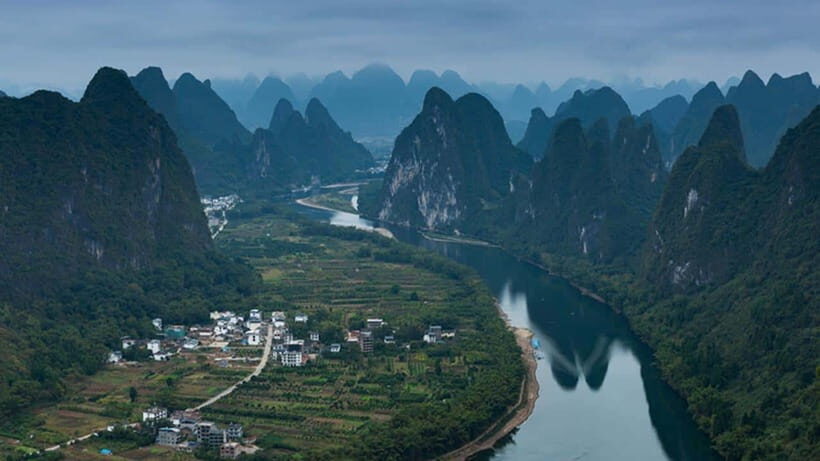
Route 2 gives you the strongest time block for classic countryside photos: Mirror-like Rice Fields and Zhuangyuan Bridge.
Zhuangyuan Bridge is located in Tianxin Village, surrounded by mountains and water and tucked inside the rice fields. It has become a net-famous photography spot, and it’s known for images taken at sunrise and during morning glow. Even if you don’t catch sunrise on the dot, the tour’s morning start can help you catch softer light that makes reflections and mountain edges look cleaner.
Then comes Mirror-like Rice Fields for about 2 hours. You’ll see water-filled paddies that reflect sky, mountains, and trees. There are crisscross paths, and the farmhouses help anchor the scene so it doesn’t look like “just fields.” This is the stop to slow down, take a few different angles, and walk a little so you can see how the reflections shift as you move.
Entrance fees for this part are not included, so plan for ticket costs.
Optional Impression Shanjie Liu show: worth considering after dinner
The tour suggests adding the Impression Shanjie Liu night show in Yangshuo. It’s not included, so you’d buy separately. I see this as a good optional add-on if you still have energy after the long day and you want one more layer of Yangshuo culture beyond caves, villages, and scenery.
Since your tour ends back at Guilin afterward, the show is best if you’re already planning a flexible evening schedule in Yangshuo or you don’t mind rearranging.
Getting around and timing: private comfort, self-guided pace
You’re in a private group with a driver cum guide, and the transfer is included. Pickup is in Guilin, and you should be ready around 8:15am. The guide or greeter shares the driver information about one day before the tour date via email and call, and you’ll get a message left at your hotel if you miss the call.
This “private transfer + English-speaking driver guide” combination is the practical win. You avoid the friction of figuring out when to leave, where to park, and how to connect between rural stops.
But remember the style: your guide offers brief introductions and explains a walking route before you head into attractions. After that, you’re largely self-guided. That can be a plus if you like moving at your own speed. It can feel like a minus if you want constant narration and detailed explanations at every single step.
For what it’s worth, the most consistent praise patterns for this kind of setup are about punctual pickups, careful driving, and guides who answer questions when you ask. The itinerary is structured enough that you’re not guessing, but flexible enough to avoid the “marching band” feeling.
Price and value: what $108 covers (and what you’ll pay extra)
At $108 per person for an 8-hour private day, the value is mostly in the logistics: private transfer, an English-speaking driver cum guide, and the included Li River bamboo raft.
You will pay extra for several big-ticket items:
- Reed Flute Cave entrance fees (Route 1)
- Mirror-like rice fields entrance fees (Route 2)
- Xianggong Hill entrance fees
- The Li River raft is included, but other stops are not
- Lunch and dinner
- The Impression Shanjie Liu show (if you add it)
So the smartest budgeting approach is this: treat the tour price as the framework that gets you to the sights and includes the river raft, then set aside extra for tickets and meals. If you already plan to visit caves, viewpoints, and major countryside photo areas, the $108 starts to look like the “time saved and convenience bought” price.
If you’re trying to minimize entrance fees, this may not be the cheapest way to “just see the countryside,” because the itinerary naturally pushes you into ticketed attractions.
Who should book this day tour (and who should skip it)
This is a great fit if you:
- Want a first-time Guilin-and-Yangshuo day that hits the region’s best-known experiences
- Prefer a private car and a clear route over DIY connections
- Like mixing indoor stops (caves) with outdoor views (hill + river + rice fields)
- Enjoy photography and want the option for countryside-first timing on Route 2
It’s not a great fit if:
- You’re dealing with mobility limits that make stairs and uneven walking hard. This tour isn’t listed as suitable for wheelchair users.
- You’re pregnant, since it’s not advertised as suitable for pregnant travelers.
If you want the same “high payoff per hour” feeling but with less physical effort, you might compare other shorter options—though based on this itinerary’s core stops, you should plan for walking and at least one real climb.
Final call: should you book this Guilin to Yangshuo private day?
I’d book it if you want an efficient, organized day that still includes quiet moments—especially the Li River bamboo raft and the preserved feel of Fuli Ancient Town. Route 1 is the best match if you’re drawn to caves and broad viewpoints. Route 2 is the better choice if you want more time on the mirror-like rice fields and the photo-focused Zhuangyuan Bridge.
Skip it if you hate ticketed attractions or you know you’ll struggle with the hill climb. Also, if you’re the kind of traveler who wants constant step-by-step guidance inside each site, keep in mind this tour is largely self-guided once you arrive.
If you’re flexible on entrance fees and lunch—and you’re excited by caves, river time, and rural scenery—this is a solid $108 day that feels like it was designed for your actual schedule, not just a checklist.
FAQ
What’s included in the Guilin to Yangshuo private tour price?
The tour includes the 1-hour bamboo raft in the Li River from Fuli town, an English-speaking driver cum guide, and private transfer during the tour.
What’s not included?
Entrance fees for Reed Flute Cave (Route 1), Mirror-like Rice Fields (Route 2), and Xianggong Hill are not included. Also not included: Impression Shanjie Liu, lunch & dinner, and personal expenses/travel insurance.
How long is the tour?
The duration is listed as 8 hours.
When is pickup in Guilin?
Pickup is included in Guilin, and you should be ready to depart around 8:15am. Driver guide details are sent by email and call one day before, with a message left at your hotel if you miss the call.
How long is the bamboo rafting?
The bamboo rafting segment is 1 hour.
Is this tour suitable for wheelchair users or pregnant women?
No. It is not suitable for wheelchair users and not suitable for pregnant women.