REVIEW · BEIJING
Camping Adventures on the Historic Great Wall of China
Book on Viator →Operated by easytour.beijing · Bookable on Viator
A night on the Great Wall changes the whole day. This 2-day camping-style experience in Dazhuangkexiang pairs a guided hike up to the wall with hours on the stones at sunset, then an early-morning sunrise session the next day. It also keeps things practical with pickup and a mobile ticket.
I like two things a lot: the guides’ ability to steer you to quieter wall sections (Peter and Noodle come up often), and the schedule that gives you real time on the wall instead of a drive-by stop. One thing to consider is the physical side—you should have a strong fitness level, since you’ll hike up to the wall and spend time outdoors.
If you want the Great Wall without the typical stampede vibe, this is the kind of trip that makes sense. You’ll meet at Xuanwumendong Front Street and return there at the end, with a maximum group size of 40.
In This Review
- Key highlights you can plan around
- Camping on the Great Wall: Why Dazhuangkexiang fits the hype
- Price and value: Does $250 cover what you’re actually buying?
- Getting there in Beijing: Meeting point, pickup, and how it affects your day
- Day 1 in Dazhuangkexiang: The 10-minute hike that sets the tone
- Sunset time: When you’re not fighting the clock
- Day 2 sunrise: Why early light changes how you read the wall
- Guides that make the weekend feel personal: Peter and Noodle
- Group size and pacing: What max 40 really means for you
- What to expect on the wall and at camp (without the fantasy)
- Who this tour suits best (and who should think twice)
- Should you book this Great Wall camping trip?
- FAQ
- How long is the experience?
- How much does it cost?
- Is pickup included?
- Where do I meet the tour?
- What’s the group size limit?
- Do I need strong physical fitness?
- Is the Great Wall admission ticket included?
- What’s the booking timing and cancellation situation?
Key highlights you can plan around
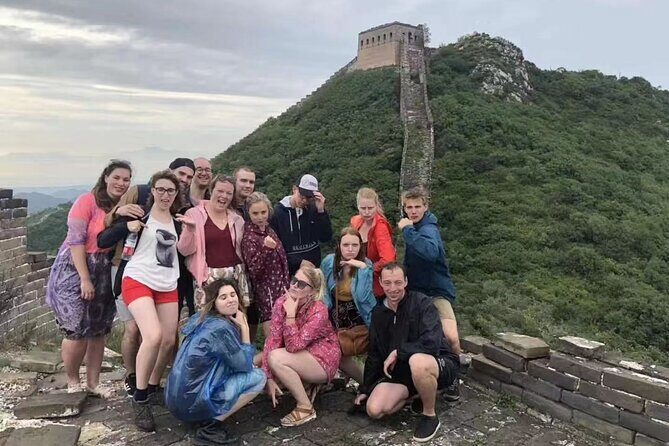
- Sunset on the wall, not just photos: you get about 3 hours on the Great Wall area before dark.
- Sunrise viewing the next morning: the second day is built around that early light.
- Dazhuangkexiang base: the whole plan centers on this area for a more focused experience.
- Small-ish group (max 40): easier to move and less chaotic than the biggest crowds.
- Peter and Noodle’s on-the-ground guidance: frequent praise for finding quieter spots.
- Pickup + mobile ticket: simple logistics that reduce stress on travel days.
Camping on the Great Wall: Why Dazhuangkexiang fits the hype
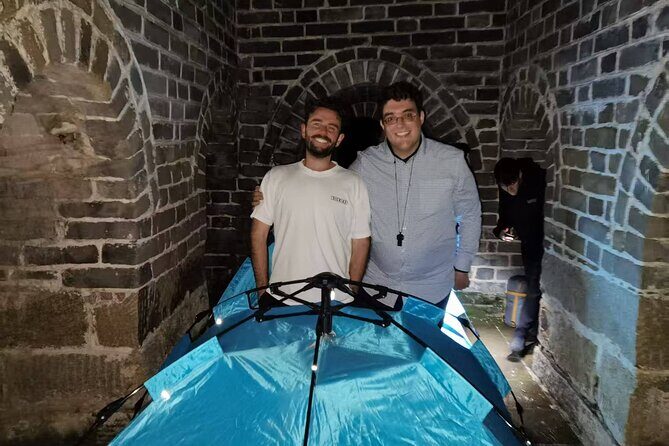
Great Wall trips can feel like a checklist: show up, snap a few pictures, leave. This one tries to do something different. The core rhythm is built around time on the wall—late day first, then early day again—so you see the wall in two very different moods.
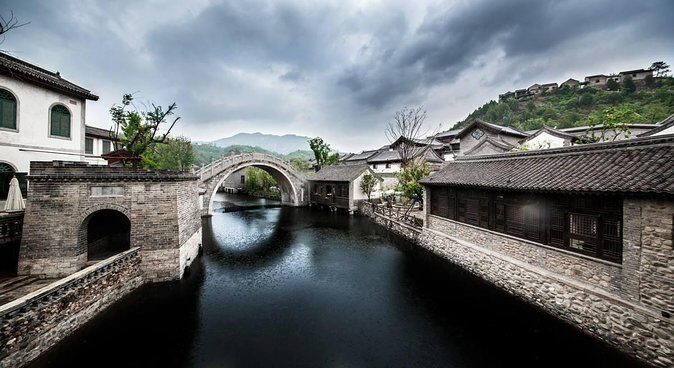
Dazhuangkexiang is the anchor for the weekend. You don’t spend the trip bouncing between far-flung stops. Instead, you’re in one place long enough to feel like the wall is more than a backdrop. That matters because the Great Wall experience is mostly about pacing: where you stand, how long you stay, and whether you’re moving when the light turns.
Also, “camping” tells you the night matters. Even with no fancy details listed, the structure makes it clear this is an overnight experience, followed by sunrise the next morning. That alone changes how you experience the wall—less sightseeing energy, more quiet-scrape-your-heart energy.
If you're still narrowing it down, here are other tours in Beijing we've reviewed.

Price and value: Does $250 cover what you’re actually buying?
At $250 per person for about 2 days, you’re paying for guided, scheduled time plus transportation and the on-site experience. What makes it feel like decent value is what’s included in the tour’s framework: pickup is offered, and the wall admission ticket is marked free in the details you’re given.
You’re also paying for organization. The trip is run with a professional guide team and a vehicle fleet that’s meant to handle different group sizes safely. That’s not just marketing language—it’s what turns a “maybe we’ll figure it out” weekend into an “I know where we’ll be at sunset” weekend.
Is it cheap? No. But if your alternative is piecing together transportation, guides, and timing on your own, this bundled approach saves real time. Plus, the “quiet section” result that people rave about is exactly the kind of thing that costs effort when you do it alone.
One practical note: this trip is commonly booked about 63 days in advance on average. If you’re traveling near big holiday periods, I’d treat that as a clue to plan early rather than wait.
Getting there in Beijing: Meeting point, pickup, and how it affects your day
The meeting point is specific: Xuanwumendong Front Street (Xuan Wu Men Dong Qian Jie, Xi Cheng Qu, Bei Jing Shi, China, 100031). The activity also ends back at the same meeting point, so you’re not left hunting for your way home after sunset and camping.
Pickup is offered, which matters in Beijing. Getting yourself to the right start location after a long day can be the annoying part of any Great Wall plan. A scheduled pickup option reduces that stress, especially if you’re traveling with jet lag or you just want the day to run smoothly.
There’s also a small “good to know” from the logistics side: the tour is near public transportation. That doesn’t replace pickup, but it gives you flexibility if you want a Plan B on the morning of the tour.
Finally, this isn’t a tiny private mission. Group size is capped at 40. That size is big enough to feel social, but small enough (in most cases) to avoid the worst herd behavior.
Day 1 in Dazhuangkexiang: The 10-minute hike that sets the tone
Day 1 starts with a drive of about 2 hours to the village. After that, there’s a short break—your moment to regroup before the wall work begins.
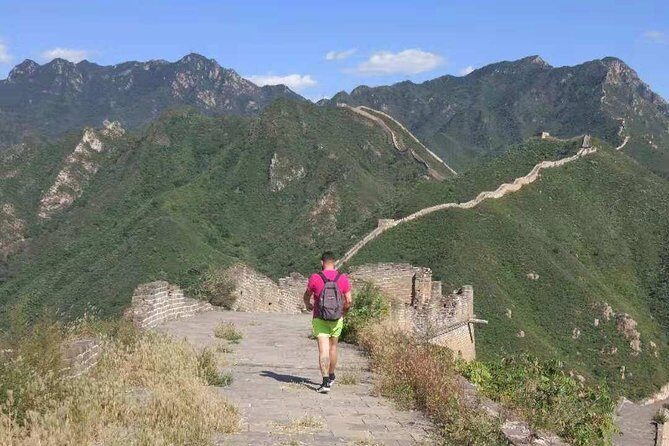
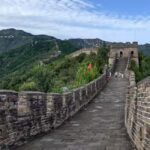
Then comes the key move: a hike up to the Great Wall that takes about 10 minutes. For a Great Wall experience, that’s refreshingly short. It means your “work” is more about being ready for steps and terrain than about trekking for hours just to reach the view.
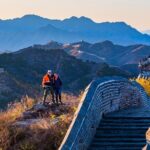
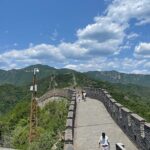
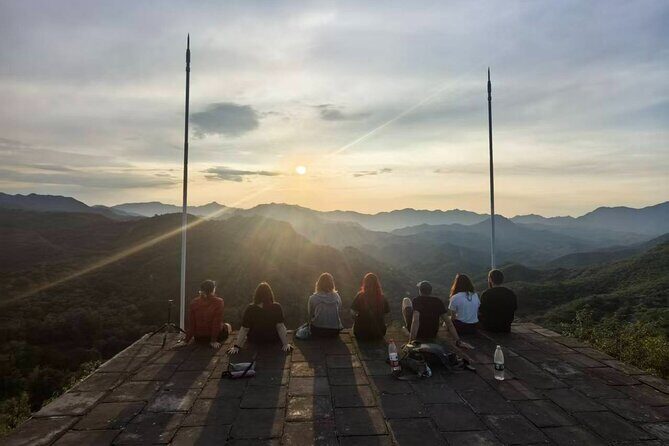
Once you’re on the wall, you get around 3 hours until sunset. That time window is what makes this feel like more than a quick stop. You can wander to find spots, take breaks, and watch how the wall changes as the day cools down.
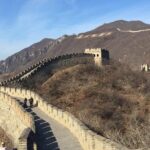
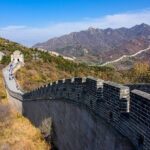
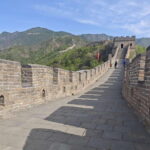
Why that 3-hour block is worth it: the Great Wall has a way of turning from “wow, it’s big” into “wow, it’s detailed” when you’re not rushing. The longer you stay, the more you notice the texture of the stonework, the way watchpoints line the ridge, and how the wall seems to stitch the mountain ridges together.
The drawback? It’s outdoors time, and you’re on historic stone. If you’re not comfortable walking uneven ground for stretches, you’ll want to prep yourself mentally and physically before booking.
Sunset time: When you’re not fighting the clock
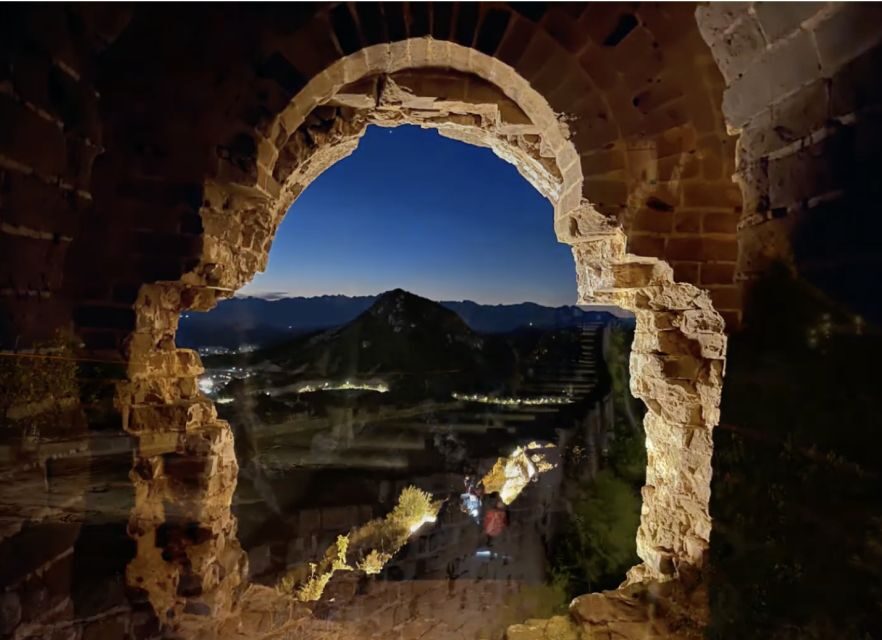
Sunset isn’t just a moment here—it’s a planning feature. The trip is set so you’re on the wall during that last golden hour window (ending around sunset). That reduces the classic Great Wall problem: arriving late and missing the light you came for.
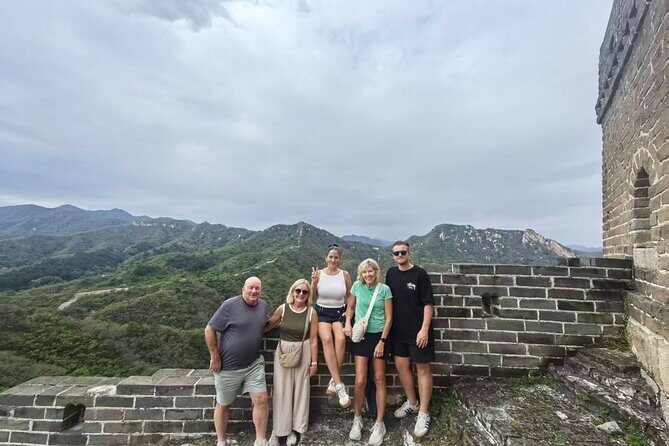
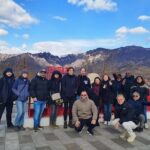
This is also where the “quiet spot” advantage shows up. People praised the guide’s ability to find areas of the wall that weren’t crowded, even during busy periods like Golden Week. Translation for your decision-making: you’re not just buying a wall view; you’re buying a better chance at breathing room.
Here’s how to think about it. Crowds don’t just block photos. They stop you from settling into the wall. With a quieter section, you can actually enjoy the long stare that the Great Wall deserves.
Day 2 sunrise: Why early light changes how you read the wall
Day 2 begins with sunrise. The plan is short on words in the details, but the meaning is clear: you’re set up to watch the wall emerge from early light.
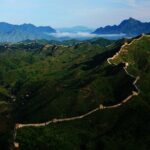
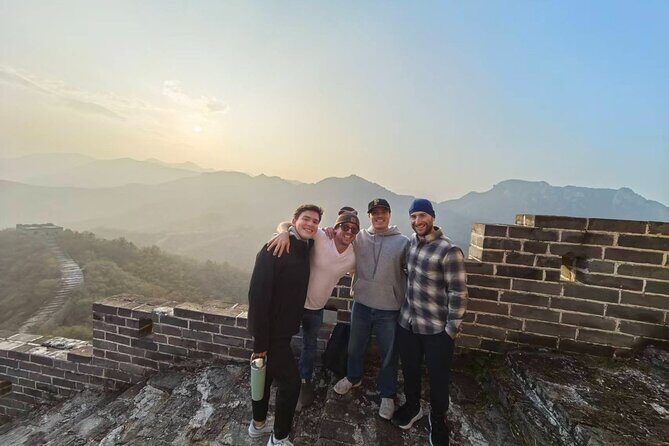
Watching sunrise on the Great Wall is a specific kind of magic. The wall looks different when the shadows are long and the ridges start to show depth. You don’t just see a structure—you see how it climbs and turns, how it threads along the mountains, and how the ancient builders chose their lines.
The trip duration lists Day 2 as about 2 hours, which suggests you’ll get the key moment without a long second day slog. That’s a practical benefit: you can enjoy sunrise and still have your energy for whatever you do after the tour.
One consideration: sunrise plans can be tough if you’re not used to early starts or cold morning air. Dress for layers and be ready to move around on stone while waiting for light to shift.
Guides that make the weekend feel personal: Peter and Noodle
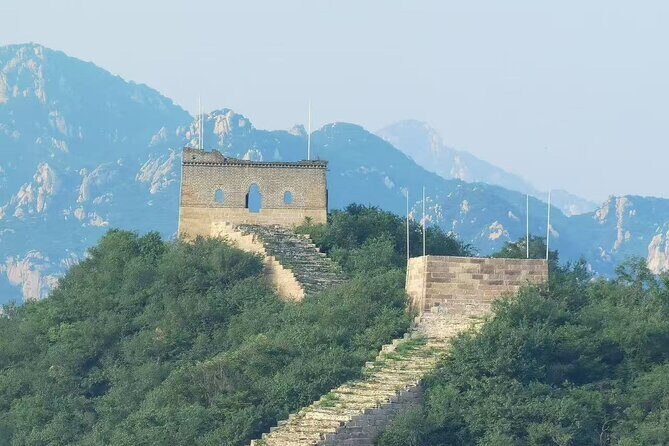
The guide names that come up most clearly are Peter and Noodle. That matters because it suggests continuity, not just a random person handing you a map.
From the praise, the biggest strengths are:
- clear planning so you don’t feel rushed
- timing that gets you places on schedule
- finding quieter wall areas when the day is busy
I like this because Great Wall days can feel chaotic even when they’re well organized. When the guide is good, you stop thinking about logistics. You start thinking about where you’re standing and what you’re seeing.
Also, there’s an important detail in the tour description: guides are multilingual and trained, with certifications noted. That doesn’t automatically guarantee a good trip, but it does mean you’re less likely to be stuck translating everything yourself at the worst possible moments.
Group size and pacing: What max 40 really means for you
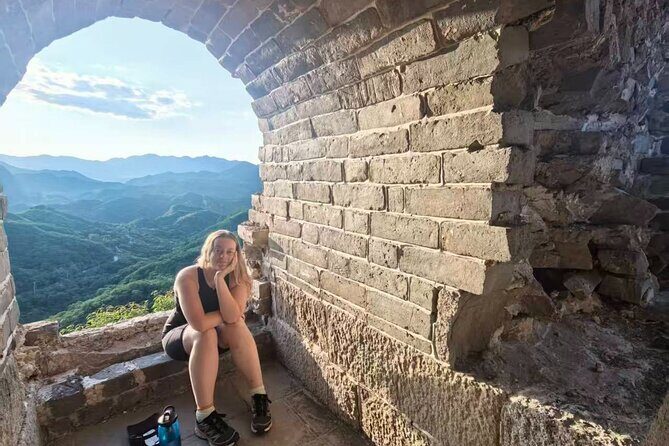
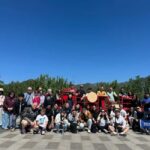
A maximum of 40 travelers sounds like a number, but it affects your lived experience. In a group this size, you should still be able to move with your guide and keep a sense of order, especially at narrow wall sections.
It also impacts photo time. Crowds are still possible, but if you’re being taken to quieter stretches, a group of 40 won’t automatically turn your sunset into a traffic jam.
Pacing is the hidden value here. People praised that the day felt well planned and not rushed. That usually comes from scheduling buffers: time to reach the wall, time to settle, and time to return without a frantic scramble.
What to expect on the wall and at camp (without the fantasy)
The title is Camping Adventures, and the structure is clearly built for an overnight stay followed by sunrise. Beyond that, the specific camping setup details aren’t laid out in the information you’re given here.
So here’s the honest way to prepare: treat it as an outdoor night on or near the Great Wall area, and plan for real weather variability. Even if the “camping” part turns out to be more basic than a hotel, the reason people book this is usually the access to sunrise/sunset time and the chance to experience the wall in a quieter, more grounded way.
Bring a practical mindset:
- You’re walking on stone terrain.
- You’re outdoors for long stretches.
- You’ll want layers for changing temperatures from sunset to morning.
If you go in expecting a hotel routine, you’ll be disappointed. If you go in expecting a guided outdoor experience with big views and good timing, you’ll likely have a much better time.
Who this tour suits best (and who should think twice)
This is a strong match for you if:
- you want the Great Wall experience spread across sunset and sunrise
- you like guided pacing and not having to plan every minute
- you’re happy doing a hike segment (about 10 minutes up)
- you want a chance at quieter wall areas
It’s not the best match if:
- you hate early mornings
- you struggle with uneven outdoor walking
- you want a purely sightseeing, no-overnight plan
The tour explicitly calls for strong physical fitness. That doesn’t mean you need to be an athlete, but you should be confident with walking and standing for stretches.
Should you book this Great Wall camping trip?
Book it if you want a Great Wall weekend that feels timed, guided, and slower than the usual drive-up-and-go routine. The big selling points are sunset + sunrise on the wall, the repeat praise for Peter and Noodle, and the practical inclusion of pickup and a mobile ticket. The price also starts to make sense when you consider the wall admission ticket is listed as free and you’re buying organized transportation plus a full 2-day schedule.
Skip it if early mornings and overnight outdoor time don’t fit your travel style. Also, take the fitness note seriously. If you’re hoping for a mostly flat, low-effort visit, you may want a different Great Wall format.
If you do book, plan to dress for real outdoor conditions and set your expectations to match the experience: guided wall time first, comfort-style sightseeing second.
FAQ
How long is the experience?
It’s listed as about 2 days.
How much does it cost?
The price is $250.00 per person.
Is pickup included?
Pickup is offered.
Where do I meet the tour?
You meet at Xuanwumendong Front Street (Xuan Wu Men Dong Qian Jie, Xi Cheng Qu, Bei Jing Shi, China, 100031). The tour ends back at the same meeting point.
What’s the group size limit?
The maximum group size is 40 travelers.
Do I need strong physical fitness?
Yes. The tour notes that travelers should have a strong physical fitness level.
Is the Great Wall admission ticket included?
The details state the admission ticket is free.
What’s the booking timing and cancellation situation?
It’s commonly booked about 63 days in advance, and there is free cancellation if you cancel up to 24 hours in advance for a full refund.