REVIEW · BEIJING
All Inclusive Private Tour to Mutianyu Great Wall and Ming Tombs
Book on Viator →Operated by Jenny's Guide & Driver Service · Bookable on Viator
China’s Great Wall is impressive, but Mutianyu is the calmer way to see it. This private outing pairs that less-crowded Wall section with the Ming Tombs royal burial grounds, guided in English so the monuments make sense instead of feeling like random stones.
What I really like is the pacing: you get a full block of time at Mutianyu (with help on steep sections) and then a focused Ming Tombs visit after lunch. One thing to plan for: it’s a long day on the move, and the Great Wall area is steep, so people with heart issues or asthma should think twice.
In This Review
- Key things to know before you go
- Mutianyu Great Wall: why this section feels easier than Badaling
- A practical tip: plan for stairs and uneven steps
- Cable car and chairlift options: save your legs for the good parts
- Your guide and driver: the private advantage in Beijing
- How the Mutianyu time usually works (and what you’ll do there)
- Lunch en route: fuel that keeps the day human
- Ming Tombs: where Ming emperors built their afterlife
- The Sacred Way: the ceremonial spine of the complex
- Changling vs Dingling: what “public areas” means for your visit
- About the Ming Tombs time limit: 2 hours is enough if you focus
- Price and value: why $218 can make sense for a private day
- Logistics that matter in real life: time, distance, and comfort
- Who this tour fits best (and who should skip it)
- Should you book this private Mutianyu and Ming Tombs tour?
- FAQ
- What’s included in the tour price?
- How long does the tour take?
- Where do you get picked up?
- Does the tour include admission tickets for both places?
- Will I need cable car tickets at the Great Wall?
- Is this tour suitable for everyone?
- Is there free cancellation?
Key things to know before you go

- Mutianyu instead of Badaling: more breathing room and great sightlines from a fully restored section
- Steep Wall support: hand rails on sharp climbs, plus cable car help to avoid a long mountain walk
- Ming Tombs highlights: the Sacred Way plus major public areas like Changling or Dingling
- Private guide + driver: hotel pickup/drop-off and an English-speaking guide for real Q&A
- Value for tickets: entrance fees and cable car/chairlift options are included, not added later
Mutianyu Great Wall: why this section feels easier than Badaling
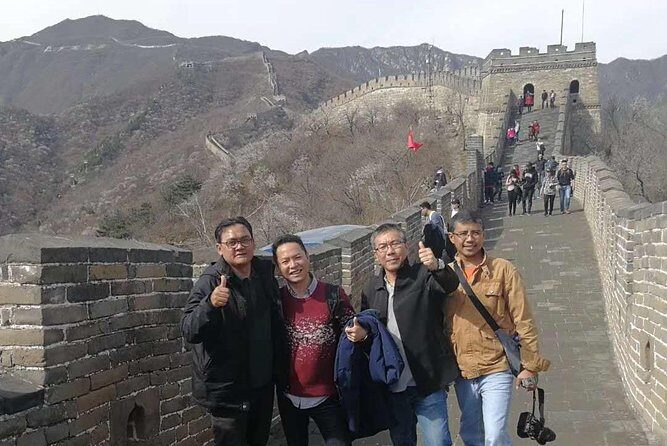
Mutianyu is a Great Wall choice with a clear logic. It’s farther from downtown Beijing than Badaling, so it attracts fewer day-trippers. That distance ends up working in your favor: you spend more time looking at the Wall instead of queueing for it.
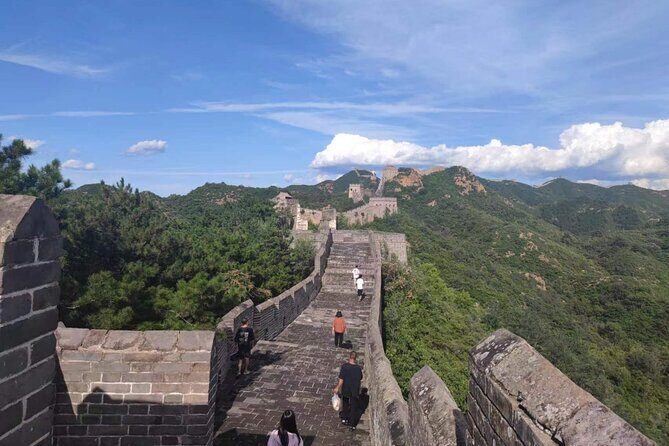
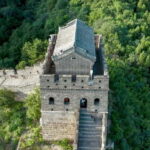
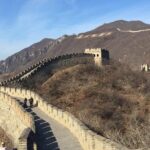
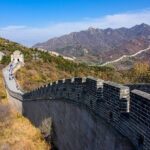
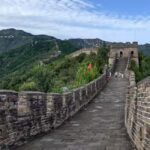
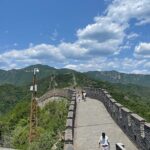
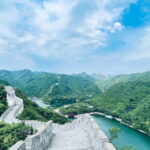
This section is also described as fully restored, with visible stonework and strong lookouts. The climbs can still be steep, but you’re not left to fend for yourself. There are hand rails on the very steep parts, which matters when you’re wearing normal shoes and you’re trying to keep your balance while taking photos.
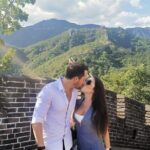
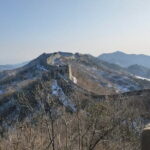
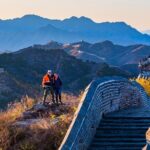
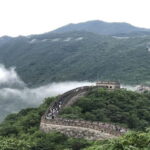
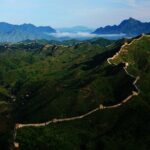
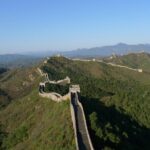
If you care about views, Mutianyu delivers. From the higher stretches, you can see layers of hills and Wall lines running off into the distance. The whole experience feels more like “standing inside a landscape” than “walking through a theme park version of the Great Wall.”
Other Mutianyu Great Wall tours we've reviewed in Beijing


A practical tip: plan for stairs and uneven steps
Even with rails and cable help, you’ll still be climbing, descending, and walking on stone paths. Bring footwear you trust on slick surfaces. If you get tired easily, slow down at the first viewpoints—your energy will last longer, and you’ll enjoy the later sections more.
Cable car and chairlift options: save your legs for the good parts
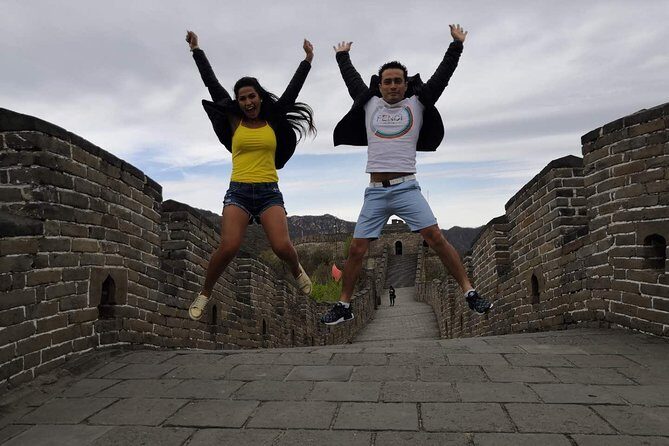
One of the smartest parts of this tour is the built-in advice about how to reach the Wall. Since the Great Wall sits up on the mountain top, there’s a mountain path walk that can take about 40 minutes each way. The tour specifically suggests using the cable car (instead of the longer walk) so you can get to the Wall faster and see more of it.
This isn’t about convenience alone. It changes the entire feel of your day. When you spend less time trudging up a path, you arrive at the Wall with time for viewpoints, photo stops, and a calmer pace. If your goal is to see the Wall plus the Ming Tombs later, this choice makes the day actually workable.
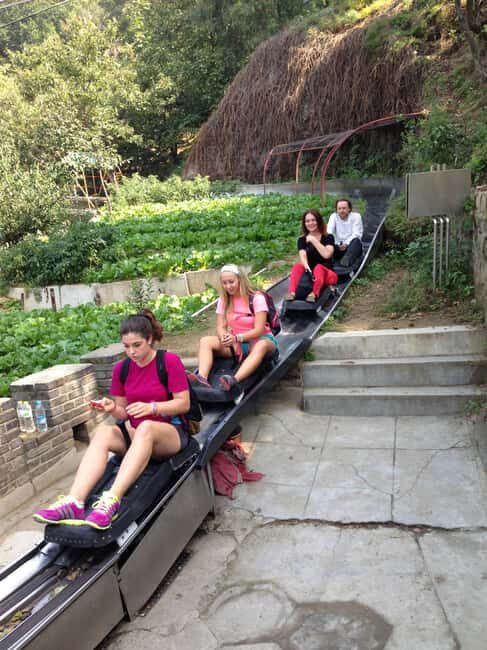
Tickets for the cable car (or chairlift and toboggan options) are included, so you’re not stuck playing ticket tag. Just remember: the Wall itself is still active terrain. A ride up helps, but you’ll still do plenty of walking once you’re there.
Your guide and driver: the private advantage in Beijing
A private tour lives or dies on logistics. This one leans into the stuff you’d normally have to figure out yourself: hotel pickup, transport by professional driver, and an English-speaking guide who can handle questions on the spot.
The guide is there for more than reciting facts. One of the strongest signals from past guests is that the guide talks about both historical China and modern-day China, and actually answers questions. That matters on a day filled with big monuments—without that context, you can end up treating them like sightseeing checkboxes.
The private format also helps with timing. You’re not forced to match a large group’s pace. You can linger near a viewpoint, slow down for a steep section, or move on when the crowd pressure builds.
How the Mutianyu time usually works (and what you’ll do there)
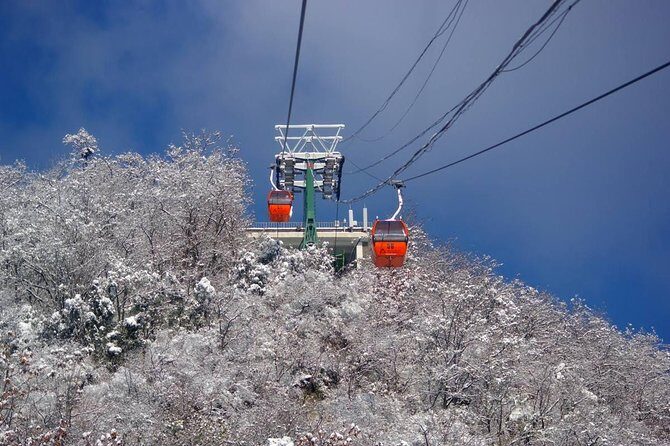
You’ll have about 3 hours at Mutianyu, which is a solid amount of time for a place like this. It’s long enough to walk past key areas, stop for photos, and still feel like you’re exploring rather than rushing.
What you should expect:
- Steep segments where rails help you climb
- Photo opportunities where the Wall lines and hills show up clearly
- A mix of walking and viewpoints, with time to take breaks
What you might consider:
- If you’re planning lots of stops, 3 hours can feel right at the edge. Go at a steady pace, not a sprint pace. Mutianyu rewards patience.
Other private Great Wall tours we've reviewed in Beijing

Lunch en route: fuel that keeps the day human
After the Wall, you’ll head toward the Ming Tombs, with lunch included at local Chinese restaurants. I like included meals on day tours for one reason: it removes one more decision when you’re already doing two major UNESCO sites.
Lunch also helps you avoid the common trap of showing up to the second site hungry and cranky. With Ming Tombs time coming next, you want energy for walking on stone paths and absorbing a lot of information.
Ming Tombs: where Ming emperors built their afterlife
The Ming Tombs are the royal burial complex of the Ming Dynasty emperors. The big picture is clear: it’s the largest clusters of imperial cemeteries in China, spanning multiple tombs and ceremonial areas.
The timeline is part of the story. Construction began with Changling Tomb for Emperor Zhu Di in 1409, and the complex reached completion in 1644, when Emperor Chongzhen was buried in Siling Tomb. You don’t need to memorize dates, but it helps to know the scale: this wasn’t a one-night project. It was an imperial endeavor that shaped generations.
The Sacred Way: the ceremonial spine of the complex
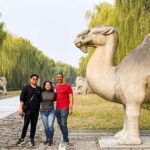
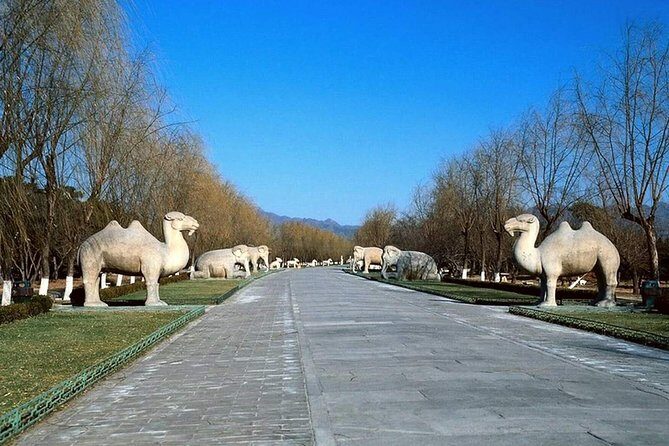
One of the public highlights is the Sacred Way, described as a main route leading into the tombs inside the scenic area. This is where the atmosphere turns ceremonial fast. It’s lined with stone sculptures meant to project power and order.
The tour notes include stone lifelike sculptures, and even calls out 12 beasts as part of the sculptural display. Even if you don’t stop to count them all, you’ll feel the repetition—each section builds on the last until you’re walking inside a carefully staged imperial processional route.
Changling vs Dingling: what “public areas” means for your visit
The Ming Tombs area has three parts open to the public: the Sacred Way, Changling Tomb, and Dingling Tomb. During your time there, you’ll visit the major show pieces in that set (Sacred Way plus either Changling Tomb or Dingling Tomb).
The key point for you: you won’t try to cover everything. You’ll focus on the areas the tour provides access to and the parts that give you the clearest sense of the complex’s layout and symbolism.
About the Ming Tombs time limit: 2 hours is enough if you focus
Your Ming Tombs visit is around 2 hours. That’s not a full-day museum crawl, and that’s a good thing on a day that already includes Mutianyu.
Two hours works if you do this:
- Walk the Sacred Way and take your time watching the stone figures
- Choose a couple of tomb-related stops for deeper attention rather than sprinting to every viewpoint
- Ask your guide what you’re seeing and why it was built that way
You’ll leave with a clearer mental map. Without that focus, Ming Tombs can feel like a long walk through a large site.
Price and value: why $218 can make sense for a private day
At $218 per person, this isn’t a bargain-basement option. But you’re not just paying for a driver and a ticket. You’re paying for a private day that wraps together:
- Private transport with hotel pickup and drop-off
- An English-speaking guide for context and Q&A
- Entrance fees for the sites
- Cable car/chairlift and toboggan-type tickets
- Bottled water and lunch
Here’s the practical value: two UNESCO sites in one day is hard to DIY without spending time on planning, timing, and ticket management—especially when you want Mutianyu instead of the most crowded option.
If you’re traveling as a pair or small group, the private format often feels more reasonable than you expect. The driver and guide save time, and that time turns into more actual viewing at the Wall and better understanding at Ming Tombs.
Logistics that matter in real life: time, distance, and comfort
The Wall transfer from Beijing downtown is about 1.5 hours each way. That’s a normal commute distance for a Wall day-trip, but it does shape the schedule. Your total day runs about 9 hours, so you’ll be in the vehicle more than you might like if you prefer a slow travel pace.
The comfort angle:
- Bottled water is included
- Lunch is included
- The cable car recommendation helps reduce exhausting mountain walking
One more note that affects planning: the tour isn’t suitable for people with cardiopathy and asthma, since you’ll be moving through steep terrain. If either of those is you, it’s worth checking with your doctor before committing.
Who this tour fits best (and who should skip it)
This tour is a strong match if you want:
- A less crowded Great Wall experience at Mutianyu
- A guide who can explain what you’re seeing, not just point
- A single-day plan that covers Mutianyu and the Ming Tombs without stress
- Included tickets that cover the hard parts of the logistics
You might skip it if:
- You don’t handle steep walking well, even with rails and cable help
- You want a more relaxed “wander at your own tempo” day. This tour is organized and time-aware by design.
If you’re a first-time visitor to Beijing who wants the two headline UNESCO stops but doesn’t want the chaos of the busiest Wall section, this private format is a smart way to do it.
Should you book this private Mutianyu and Ming Tombs tour?
I’d book it if your priorities are calm sightseeing, clear context, and having tickets handled. Mutianyu’s less-crowded feel is the centerpiece, and the cable car suggestion is exactly what keeps the day from turning into a leg-burning ordeal.
I’d think twice if you’re sensitive to steep terrain or have health conditions that make climbing risky. And if you prefer ultra-flexible, unscheduled days, you might feel boxed in by the 9-hour, two-site structure.
But for most visitors—especially pairs, friends, or anyone who wants both sites in a single smooth day—this is the kind of tour that saves energy and improves understanding at both stops.
FAQ
What’s included in the tour price?
The tour includes private vehicle transport with a professional driver, an English-speaking guide, hotel pick-up and drop-off, bottled water, entrance fees, meals as per the itinerary (including lunch), and cable car tickets or chairlift and toboggan tickets.
How long does the tour take?
The full experience runs about 9 hours (approximately), with around 3 hours at Mutianyu and about 2 hours at the Ming Tombs.
Where do you get picked up?
Pickup is offered from your Beijing city hotel or from the airport, and the tour also includes drop-off after the day’s visits.
Does the tour include admission tickets for both places?
Yes. Entrance fees are included, and admission tickets are included for both Mutianyu Great Wall and the Ming Tombs.
Will I need cable car tickets at the Great Wall?
The tour recommends using the cable car instead of walking the mountain path (about 40 minutes each way) so you can save time and energy. Cable car (or chairlift/toboggan options) tickets are included.
Is this tour suitable for everyone?
It’s not suitable for people with cardiopathy or asthma. Children must be accompanied by an adult.
Is there free cancellation?
Yes. You can cancel up to 24 hours in advance for a full refund. Cancellation rules are based on the experience’s local time.